
Move Out Cleaning Guide for Wake County Homeowners
Moving represents one of life's most stressful transitions, and the cleaning that comes with it often feels overwhelming. Whether you're a renter hoping to secure your full security deposit, a homeowner preparing to list your property, or a landlord turning over a unit between tenants, move out cleaning requires thorough attention to detail that goes far beyond your weekly tidying routine. In Cary, Apex, Holly Springs, Morrisville, and throughout Wake County, understanding what's expected during this process can save you time, money, and unnecessary stress during an already hectic period.
Understanding Move Out Cleaning Requirements
Move out cleaning differs significantly from regular housekeeping because it focuses on returning a property to its original condition. This means addressing areas that rarely receive attention during routine cleaning sessions, including baseboards, inside cabinets, light fixtures, and behind appliances.
Landlords and property managers typically expect:
All surfaces wiped down and sanitized
Floors swept, mopped, and vacuumed throughout
Appliances cleaned inside and out
Windows washed on both sides
Bathrooms deep cleaned and disinfected
Walls spot-cleaned or washed
Carpets professionally cleaned (often required)
For homeowners selling their property, Redfin's move-out cleaning checklist emphasizes that a spotless home photographs better and helps buyers visualize themselves in the space. First impressions matter tremendously in real estate, and cleanliness plays a crucial role in whether potential buyers feel excited or turned off during showings.
Rental Agreements and Security Deposits
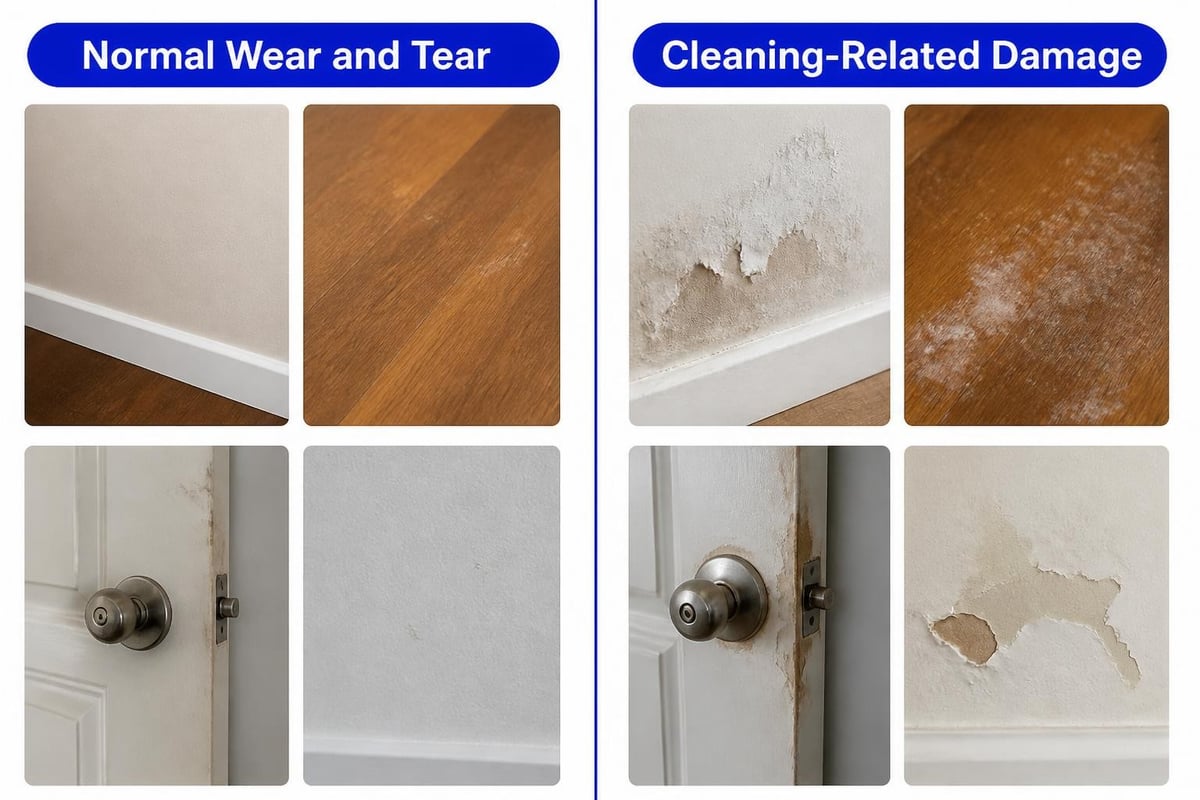
Most rental agreements in Wake County include specific cleaning clauses. Your lease likely states that the property must be returned in the same condition as when you moved in, minus normal wear and tear. Property managers define "normal wear and tear" differently, so reviewing your lease before starting helps you understand exactly what's expected.
Common deductions from security deposits include:
Dirty appliances (ovens, refrigerators, microwaves)
Stained or unwashed carpets
Grimy bathrooms with soap scum and hard water stains
Grease buildup on kitchen surfaces
Dust accumulation on ceiling fans and vents
Room-by-Room Move Out Cleaning Checklist
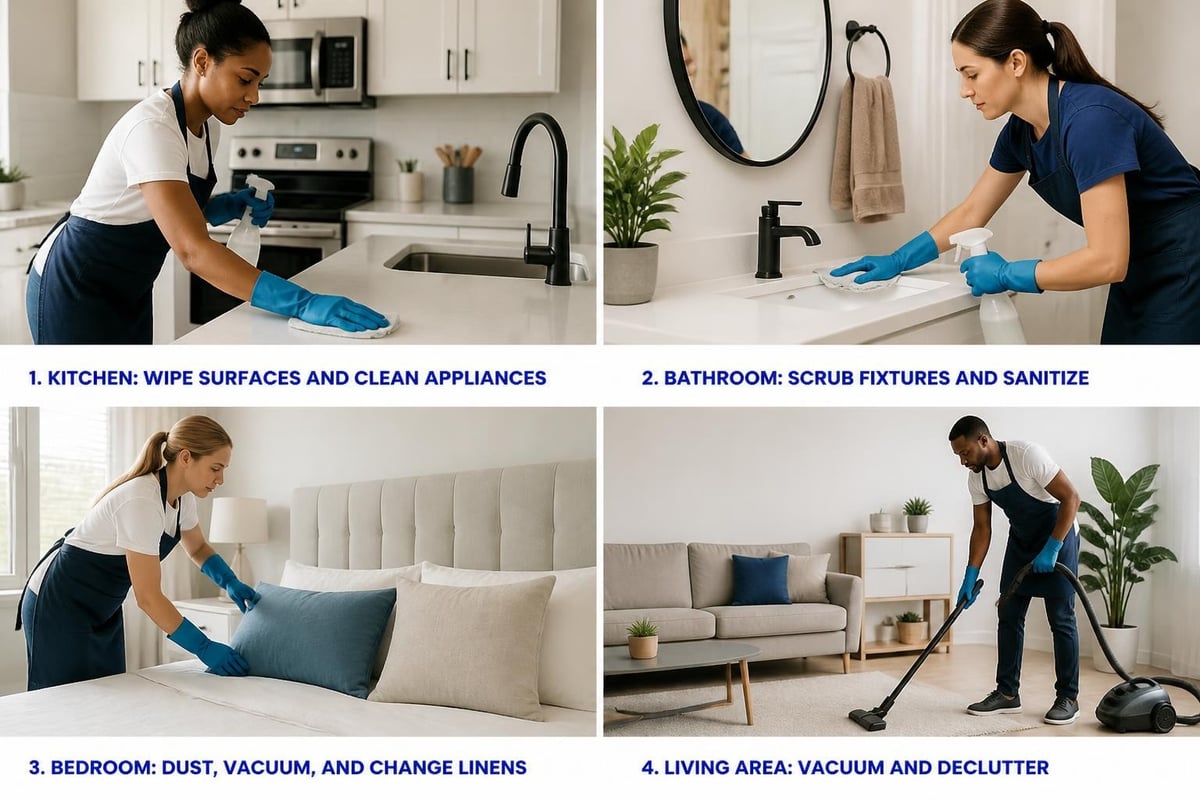
Breaking down the cleaning process by room makes the overwhelming task manageable. This systematic approach ensures you don't miss critical areas that landlords, property managers, or future buyers will inspect.
Kitchen Deep Cleaning Tasks
The kitchen typically requires the most intensive cleaning because grease, food particles, and grime accumulate in hard-to-reach spots over months or years.
Task
Focus Areas
Time Estimate
Appliances
Inside oven, refrigerator shelves, microwave turntable, dishwasher filter
3-4 hours
Cabinets
Wipe inside and outside, clean shelf liner, remove crumbs
1-2 hours
Countertops
Deep clean, remove stains, sanitize
30 minutes
Floors
Sweep, mop, scrub grout
45 minutes
Sink and fixtures
Remove hard water stains, polish chrome
30 minutes
Start with the oven because it's often the most neglected appliance. Remove racks and soak them in hot, soapy water while you tackle the interior with a commercial oven cleaner. For stubborn spots, a paste of baking soda and water left overnight works wonders.
Refrigerators need to be completely empty, unplugged, and defrosted if applicable. Remove all shelves and drawers, washing them separately. Don't forget the drip pan underneath, which often contains forgotten spills and dust buildup.
Bathroom Cleaning Priorities
Bathrooms require meticulous attention because hard water stains, soap scum, and mildew develop over time, especially in Wake County's humid climate.
Essential bathroom tasks:
Scrub tile grout with a specialized cleaner
Remove mineral deposits from showerheads and faucets
Clean inside toilet tanks (not just bowls)
Wash or replace shower curtains and liners
Wipe down all surfaces including behind the toilet
Clean exhaust fan covers
According to Consumer Affairs' housecleaning checklist, many tenants overlook exhaust fans, which collect significant dust and can impact air quality inspections.
Bedrooms and Living Areas
While bedrooms might seem straightforward, there are details that matter during final inspections.
Remove everything from closets and wipe down shelves, rods, and the floor inside. Vacuum or dust the closet ceiling corners where cobwebs accumulate. For carpeted rooms, vacuum thoroughly in multiple directions, paying special attention to corners and edges where dirt collects.
Clean all light fixtures by removing covers and washing them separately. Dust ceiling fans blade by blade, including the motor housing. Wipe down window sills, frames, and tracks where dirt and dead insects often gather.
Baseboards throughout the home need individual attention. Wipe them down with a damp cloth and appropriate cleaner, checking for scuff marks that might need spot treatment. In high-traffic areas, baseboards can show significant wear that simple wiping won't address.
Tackling Common Problem Areas
Certain spots in every home require extra attention during move out cleaning. These are the areas that property inspectors and buyers notice immediately.
Floors and Carpets
Hardwood floors in many Cary and Apex homes need more than basic sweeping and mopping. Vacuum first to remove debris, then mop with a wood-safe cleaner, working in the direction of the grain. For scuff marks, use a tennis ball or magic eraser with gentle pressure.
Tile floors, common in Wake County bathrooms and kitchens, often have grout that's turned from white to gray or brown. Professional-grade grout cleaners or a mixture of hydrogen peroxide and baking soda can restore original color, though stubborn stains might require a grout brush and significant elbow grease.
Carpet cleaning considerations:
Most leases require professional carpet cleaning receipts
DIY carpet cleaners save money but may not meet lease requirements
High-traffic areas need pre-treatment before full cleaning
Pet stains often require enzyme-based cleaners
Allow 24 hours for complete drying
Walls and Paint Touch-Ups
Walk through each room looking for scuff marks, nail holes, and discoloration. Small nail holes can be filled with spackling compound, sanded smooth, and touched up with matching paint. If you don't have the original paint color, take a chip to a local hardware store for matching.
For general wall cleaning, Moving.com's cleaning checklist recommends starting from the top and working down with a gentle all-purpose cleaner on a microfiber cloth. Avoid scrubbing too hard, which can remove paint, especially with flat or matte finishes.
Window and Glass Cleaning
Clean windows transform how light enters a space, making rooms appear larger and more inviting. Wash both interior and exterior panes when possible, along with tracks, sills, and screens.
For streak-free results, use a professional-grade glass cleaner or a simple mixture of vinegar and water. Work on cloudy days if possible, as direct sunlight causes cleaners to dry too quickly, leaving streaks. Don't forget mirrors, glass shower doors, and any other reflective surfaces throughout the home.
Time Management and Planning Strategies
Move out cleaning takes significantly longer than most people anticipate. Planning ahead prevents last-minute stress and rushed work that might cost you your security deposit or delay your sale.
Creating a Realistic Timeline
For an average three-bedroom, two-bathroom home, expect to spend 15-25 hours on thorough move out cleaning if you're doing it yourself. This assumes the home has been reasonably maintained during occupancy.
Sample cleaning schedule:
Week 1: Deep clean kitchen appliances, cabinets
Week 2: Tackle bathrooms, windows, baseboards
Week 3: Focus on floors, carpets, final touches
Final Day: Walk-through inspection, touch-ups
Starting several weeks before your move-out date lets you work in manageable chunks rather than attempting everything in one exhausting marathon session. This approach also gives you time to address unexpected issues, like discovering mold behind the refrigerator or stubborn stains that need special products.
Decluttering Before Cleaning
Before you clean anything, remove all personal belongings, furniture, and stored items. Tom's Guide's decluttering method suggests treating the process like you're actually moving (which you are) to make decisive choices about what to keep, donate, or discard.
Empty rooms are exponentially easier to clean than furnished ones. You can access corners, move freely without navigating furniture, and see exactly what needs attention without visual distractions.
Kiplinger's decluttering tips emphasize the financial benefits of downsizing before a move, since you'll pay less to transport fewer items and start fresh in your new space.
Professional Cleaning vs. DIY Approach
Deciding whether to tackle move out cleaning yourself or hire professionals depends on several factors including your budget, timeline, physical ability, and the property's condition.
Factor
DIY Cleaning
Professional Service
Cost
$100-$300 (supplies, equipment rental)
$300-$600+ depending on home size
Time Required
15-25 hours
4-8 hours (their time, not yours)
Quality Guarantee
No guarantee
Often guaranteed to pass inspection
Equipment
Must rent or purchase
Included in service
Physical Effort
High
None
When to Consider Professional Help
Certain situations make professional move out cleaning worth the investment. If you're working full-time while coordinating a move, managing children, or dealing with health issues, the time and energy saved can be invaluable.
Professional cleaners also bring industrial-grade equipment and commercial products that achieve results difficult to replicate with consumer-grade supplies. Their experience means they know exactly what landlords and property managers inspect most carefully.
For those preparing a home for sale in competitive Cary or Apex real estate markets, professional cleaning can be part of staging that helps your property stand out. Buyers notice details, and a professionally cleaned home signals that the property has been well-maintained overall.
When you need comprehensive cleaning for your move, Move-IN/Move-OUT Cleanings provide thorough service that covers every room and surface, ensuring nothing gets overlooked during your transition.
DIY Success Tips
If you choose to handle move out cleaning yourself, invest in quality supplies and equipment. Cheap products often require more applications and elbow grease, ultimately costing more time and money.
Essential supplies for move out cleaning:
All-purpose cleaner
Glass cleaner
Bathroom disinfectant
Degreaser for kitchen
Grout brush
Microfiber cloths (multiple)
Vacuum with attachments
Mop and bucket
Scrub brushes various sizes
Magic erasers
Baking soda and vinegar
Consider renting a carpet cleaner for a day rather than purchasing one. Most hardware stores in Wake County offer rentals for $30-$50, providing professional-level equipment at a fraction of the ownership cost.
Cost Considerations and Budgeting
Understanding the financial aspects of move out cleaning helps you make informed decisions that protect your budget and security deposit.
Average Costs in Wake County
Professional move out cleaning services in Cary, Apex, Holly Springs, and Morrisville typically range from $300 to $600 for standard homes, with prices increasing based on square footage, condition, and specific requirements.
Pricing factors include:
Square footage of the property
Number of bathrooms and kitchens
Current condition and level of dirt
Special requirements (carpet cleaning, wall washing)
Whether appliances need deep cleaning
Urgency and scheduling flexibility
Some property management companies in Wake County provide lists of approved cleaning vendors or specific standards that must be met. Following these guidelines ensures your cleaning investment actually protects your deposit.
Maximizing Your Security Deposit Return
Zillow's moving-out cleaning guide emphasizes that thorough cleaning typically represents the best return on investment when it comes to security deposits. Spending $400 on professional cleaning can protect a $1,500 to $2,000 deposit.
Take detailed photos and videos of the property after cleaning and before your final walk-through. These provide evidence of the property's condition should disputes arise. Include timestamps and capture every room from multiple angles, showing floors, walls, appliances, and fixtures.
Schedule your final walk-through with the landlord or property manager when possible. This allows you to address any concerns immediately rather than discovering issues after you've moved out and lost access to the property.

Special Considerations for Different Property Types
Move out cleaning requirements vary depending on whether you're leaving an apartment, single-family home, or townhouse in Wake County.
Apartments and Condos
Apartments often have specific requirements outlined in your lease. Yip Management's move-out checklist highlights that many property managers require carpet cleaning receipts from approved vendors, not just proof that cleaning occurred.
Common area cleaning expectations differ by complex. Some require you to clean patio or balcony spaces, including railings, while others handle this through maintenance staff. Confirm requirements with your property manager to avoid unnecessary work or missed expectations.
Single-Family Homes
Houses typically involve more square footage and outdoor spaces. Garages, patios, driveways, and yards may need attention depending on your rental agreement or sale contract.
For homeowners selling in Cary or Apex, outdoor spaces impact curb appeal significantly. Power wash driveways, walkways, and siding if weather permits. Clean gutters, trim overgrown bushes, and ensure the lawn is mowed and edged.
Townhomes and Duplexes
Shared-wall properties fall somewhere between apartments and single-family homes in terms of cleaning scope. Pay special attention to exterior entryways, small yards or patios, and any storage areas that belong to your unit.
HOA requirements in many Wake County communities include exterior maintenance standards that affect your ability to sell or the return of deposits. Review HOA documents to understand what cleaning or maintenance falls under your responsibility versus the association's.
Final Inspection Preparation
The final walk-through determines whether you've met move out cleaning expectations. Preparing strategically increases your chances of passing inspection on the first attempt.
Self-Inspection Checklist
Before the official inspection, conduct your own room-by-room review using a printed checklist. Bring cleaning supplies so you can address issues immediately rather than noting them for later.
Critical inspection points:
Turn on all lights to inspect thoroughly
Open all cabinets and closets
Check behind and under appliances
Test all fixtures and outlets
Inspect floors in corners and edges
Review baseboards in every room
Check window sills and tracks
Many landlords or property managers use standardized checklists from resources like 101 Planners' personalized move-out tool, which can help you anticipate what they'll examine most carefully.
Addressing Last-Minute Issues
Despite thorough cleaning, inspections sometimes reveal overlooked spots or areas that don't meet standards. If you're present during the walk-through, ask specifically what needs improvement. Some landlords allow a few days to address minor issues before finalizing the inspection.
Keep cleaning supplies in your car during the final walk-through. Small touch-ups like wiping smudges or sweeping overlooked corners take minutes but can prevent deposit deductions.
Documentation and Communication
Document everything through photos and written communication. Email your landlord or property manager confirming the inspection date, time, and any agreed-upon standards. This creates a paper trail that protects both parties and prevents misunderstandings.
After completing cleaning, take timestamped photos of every room and area. These prove the property's condition at turnover, which becomes crucial if disputes arise weeks later after keys have been returned.
Seasonal and Weather Considerations in Wake County
North Carolina's climate affects move out cleaning in ways that residents of other regions might not experience. Humidity, pollen, and temperature extremes all impact both the cleaning process and results.
Spring and Summer Challenges
High humidity during Wake County summers can slow drying times for carpets, mopped floors, and freshly cleaned surfaces. Plan cleaning sessions to allow maximum drying time, especially if you're cleaning right before an inspection.
Pollen season in the Triangle area means windows, sills, and screens get dirty almost immediately after cleaning. Schedule window cleaning as close to inspection day as possible, or plan to do a quick touch-up right before the final walk-through.
Fall and Winter Factors
Shorter days mean less natural light, making it harder to spot dirt and grime. Use bright work lights or portable lamps to illuminate areas you're cleaning, ensuring you don't miss spots that will be obvious during an inspection.
Heating systems used during winter months can circulate dust throughout the home. Clean or replace HVAC filters before your final inspection, and consider running the system with new filters for a few days to clear airborne particles.
Eco-Friendly and Health-Conscious Cleaning Options
Many Wake County residents prioritize environmentally responsible and health-conscious cleaning methods, especially in homes with children, pets, or family members with sensitivities.
Natural Cleaning Solutions
Vinegar, baking soda, and lemon juice handle most cleaning tasks effectively without harsh chemicals. White vinegar diluted with water cleans glass, countertops, and bathroom fixtures while naturally disinfecting surfaces.
Effective natural cleaning recipes:
Glass cleaner: Equal parts vinegar and water
All-purpose spray: 1 part vinegar, 1 part water, few drops dish soap
Grout scrub: Baking soda paste with hydrogen peroxide
Wood polish: Olive oil and lemon juice mixture
Carpet freshener: Baking soda with essential oils
These solutions cost a fraction of commercial products and avoid chemical residues that might concern landlords, buyers, or new tenants with sensitivities.
Green Cleaning Product Considerations
If you prefer ready-made products, many local Cary and Apex stores carry eco-friendly cleaning brands. Look for EPA Safer Choice certifications or Green Seal approvals, which indicate products meet environmental and health standards.
Professional cleaning services increasingly offer green cleaning options. When hiring help for your move out cleaning, ask about eco-friendly product availability if this matters to you.
Move out cleaning requires careful planning, systematic execution, and attention to detail that goes well beyond routine housekeeping. Whether you're protecting a security deposit, preparing a home for sale, or ensuring a smooth property transition, investing time and effort in thorough cleaning pays dividends. When the task feels overwhelming or time constraints make DIY cleaning unrealistic, professional services can deliver the quality results you need while freeing you to focus on other moving priorities. Easy Peasy Cleaning specializes in move-in and move-out cleaning throughout Cary, Apex, Holly Springs, Morrisville, and Wake County, helping homeowners, renters, landlords, and property managers navigate transitions with confidence and less stress.


